
The Real Difference Between a Fixed and Variable Interest Rate

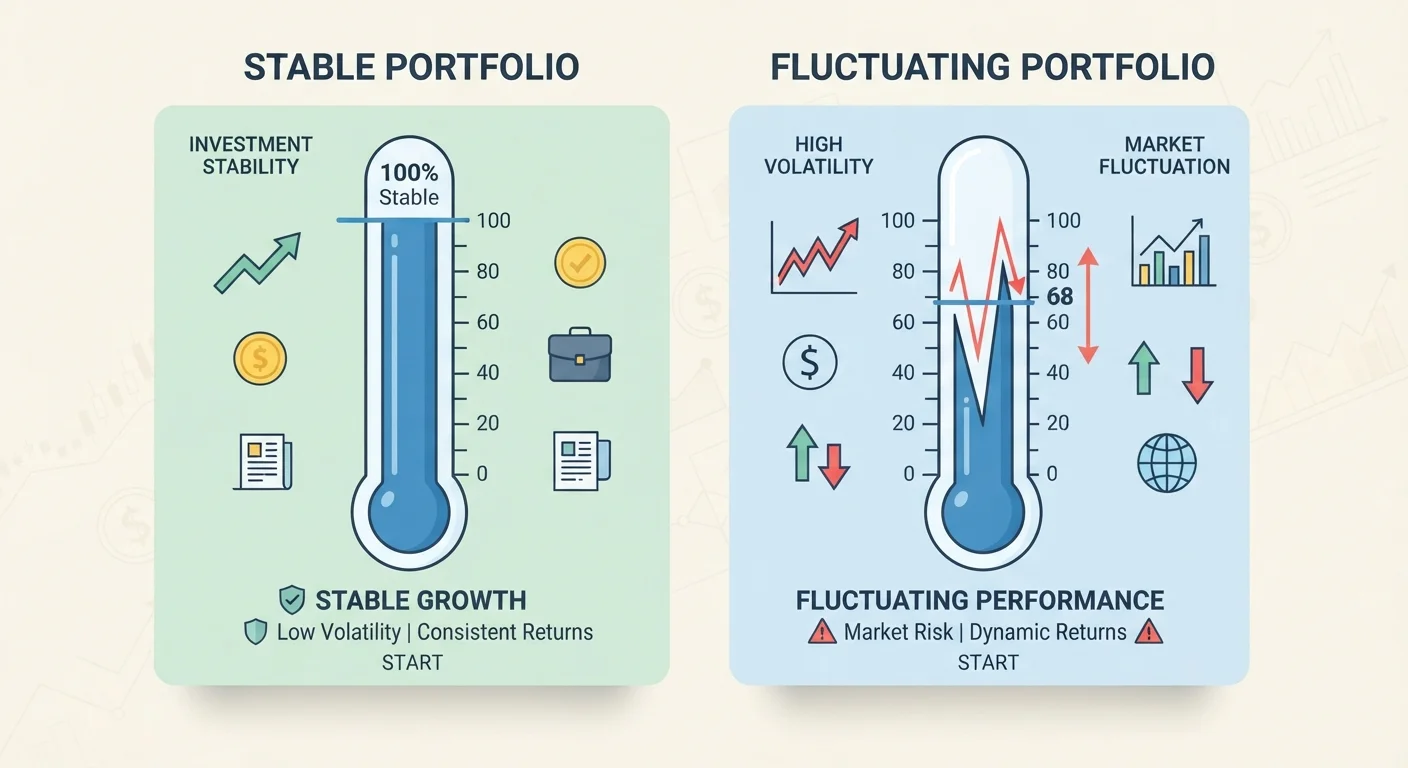
Fixed and variable rates work very differently over time. Here is what each term means and what to consider before agreeing to either on a loan.
Option A
Fixed interest rate
The predictable option: your rate stays the same for the life of the loan.
Best for: Borrowers who want consistent monthly payments and protection from rising rates.
Option B
Variable interest rate
The flexible option: your rate can rise or fall over time.
Best for: Borrowers who expect rates to drop or plan to pay off the loan quickly.
What each rate type actually means
When a lender quotes you an interest rate, that rate determines how much you pay to borrow money on top of the principal. With a fixed rate, that percentage is set at closing and does not change. With a variable rate (sometimes called an adjustable rate), the percentage is tied to an external benchmark, such as the prime rate or the Secured Overnight Financing Rate (SOFR), and it adjusts on a schedule defined in your loan agreement.
Because variable rates move with market conditions, your monthly payment can increase or decrease over the life of the loan. A fixed rate removes that uncertainty entirely: the same percentage applies on day one and on the final payment.
Rate caps on variable loans
Many variable-rate loans include caps that limit how much your rate can increase in a single adjustment period and over the life of the loan. These caps are written into your loan agreement. Always confirm whether a cap exists and what it is before accepting a variable-rate offer, since the cap determines your worst-case payment scenario.
How lenders set each type
Fixed rates are priced to account for future uncertainty. A lender agreeing to hold a rate steady for 30 years takes on the risk that market rates will rise and their return will look low by comparison. They typically price that risk in by setting the fixed rate a bit higher than the starting variable rate at the same moment in time.
Variable rates start lower because the lender is not absorbing that risk; you are. The rate on your loan is calculated as a spread above a benchmark index. If the benchmark rises, your rate rises by the same amount. If the benchmark falls, so does your rate. Your loan documents will specify how often adjustments happen (monthly, quarterly, annually) and whether there is a cap on how much the rate can move in a single period or over the life of the loan.
Side-by-side comparison
The table below compares fixed and variable rates across the factors that matter most when evaluating a loan.
| Criterion | Fixed rate | Variable rate |
|---|---|---|
| Rate stability | Stays the same throughout | Changes on a set schedule |
| Starting rate | Often slightly higher | Often slightly lower |
| Monthly payment predictability | Fully predictable | Can rise or fall |
| Risk carried by borrower | Low | Higher if rates increase |
| Benefit if rates fall | None | Payment decreases |
| Best loan length fit | Long-term loans | Short-term loans |
The trade-offs worth thinking through
The core trade-off is certainty versus potential cost savings. A fixed rate costs you the ability to benefit if rates fall. A variable rate costs you stability if rates rise.
Loan length matters a great deal here. On a short-term loan (say, two to three years), there is less time for a variable rate to move significantly, so the lower starting rate may work in your favor. On a 30-year mortgage, even a modest rate increase compounded over decades can add tens of thousands of dollars to your total interest paid.
Your own financial position matters too. If your budget has little room for a larger monthly payment, a variable rate introduces a real risk. If you have flexibility and a plan to pay the loan off early, the initial savings from a variable rate may outweigh the uncertainty.
For context on how the type of loan itself (secured versus unsecured) also shapes borrowing costs, see how collateral affects loan terms. And if you are still early in your research, this checklist of questions to ask before opening any financial account covers what to confirm before you sign anything.
This article is for general informational purposes only and is not personalized financial or legal advice. Consult a licensed financial adviser or loan professional before making borrowing decisions based on your individual circumstances.
The content provided on our blog site traverses numerous categories, offering readers valuable and practical information. Readers can use the editorial team’s research and data to gain more insights into their topics of interest. However, they are requested not to treat the articles as conclusive. The website team cannot be held responsible for differences in data or inaccuracies found across other platforms. Please also note that the site might also miss out on various schemes and offers available that the readers may find more beneficial than the ones we cover.