
Home Service Plans: Everything First-Time Buyers Should Know

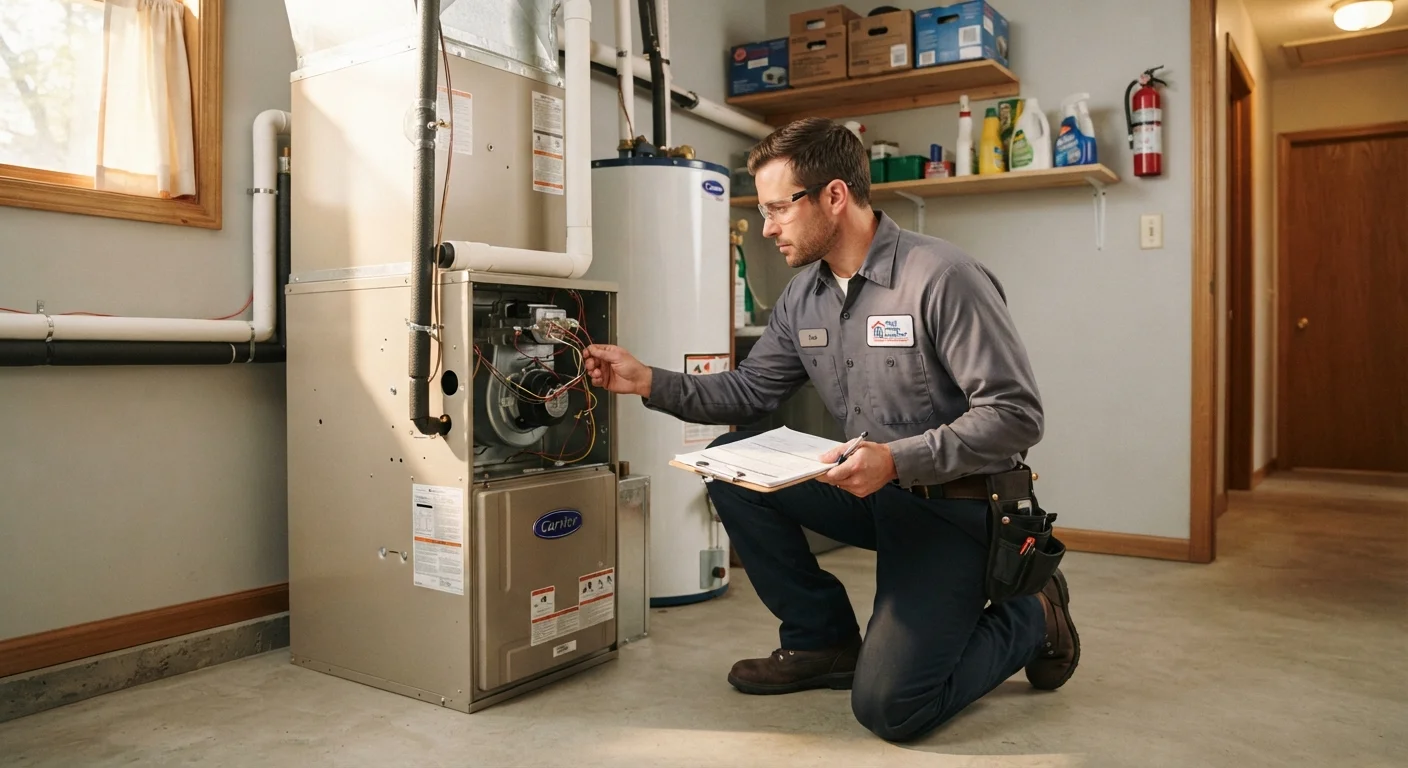
Home service plans cover recurring maintenance and unexpected repairs on systems and appliances.
From pest control contracts to HVAC maintenance agreements, this beginner's guide maps out the landscape of recurring home service plans.
Start here
What home service plans actually are
Next
The main types of plans
Then
What these plans typically cover and exclude
When you're ready
Questions to ask before you sign
What home service plans actually are
A home service plan is a contract between a homeowner and a provider that covers some costs when specific appliances or home systems need repair or routine maintenance. The contract runs for a set term, usually one year, and you pay a recurring premium, monthly or annually, to keep it active.
These plans are separate from homeowners insurance, which covers damage from events like fires or storms. Service plans exist to handle mechanical wear and breakdown, the dishwasher that stops mid-cycle, the furnace that quits in January, the pest problem that returns each spring.
For first-time buyers, the sheer number of plan types on the market can be disorienting. The useful starting point is understanding which category a plan belongs to, because each category works differently. See our guide to setting up utilities and services for a broader look at what new homeowners typically arrange at move-in.
Home warranty
A service contract that pays for repairs or replacements of covered home systems and appliances when they break down from normal use. It is not insurance against accidental damage.
Service call fee
A flat fee paid each time a technician comes to your home under a service plan, in addition to the annual or monthly premium you already pay.
Coverage cap
The maximum amount a plan will pay for a single repair or replacement, or across the full contract period. Costs above the cap are your responsibility.
Exclusion clause
A section of a service contract that lists items, conditions, or causes of failure the plan will not cover.
Pre-existing condition
A defect or malfunction that existed before the plan started. Most home warranty contracts will not cover repairs tied to pre-existing conditions.
Maintenance agreement
A contract with a service provider, often for HVAC or pest control, that schedules regular inspections and tune-ups, usually at a discounted rate compared to paying per visit.
The main types of plans
Home service plans group into three broad categories.
Home warranties
A home warranty is a service contract covering mechanical failure of appliances and home systems. Plans typically come in tiers: appliance-only, systems-only (covering HVAC, plumbing, electrical), or combination plans that include both. A comparison of these tiers can help you understand what each level actually includes.
Maintenance agreements
These are contracts with a specific service company, often an HVAC contractor or pest control provider, that schedule regular visits throughout the year. You pay a flat annual or monthly fee and the provider handles inspections, tune-ups, and sometimes priority service calls. The scope is narrower than a home warranty but the relationship with one company tends to be more consistent.
Specialty service contracts
These cover a single system or risk. Common examples include sewer line protection plans offered by utility companies, appliance protection add-ons from retailers at point of sale, and gutter or lawn care subscriptions. Each covers only what is explicitly named in the agreement.
What these plans typically cover and exclude
Coverage varies by plan tier and provider, but most home warranties cover mechanical breakdown of named items resulting from normal use. What they typically do not cover includes pre-existing conditions, cosmetic damage, improper installation, and items the homeowner failed to maintain.
Exclusion clauses carry real weight. A plan may list a dishwasher as a covered appliance but exclude the door latch, control board, or racks. Reading the exclusions section of any contract before you sign is the only way to know the actual scope. Our guide to reading a home warranty contract walks through the key sections line by line.
Maintenance agreements have a different shape. They cover the scheduled visits and anything identified during those visits as part of the standard service. They usually do not cover full replacement of a major system, only the labor and parts tied to the agreed-upon maintenance scope.
Watch for automatic renewal clauses
Many home service contracts renew automatically unless you cancel within a specific window, sometimes 30 to 60 days before the renewal date. Missing that window can lock you into another contract term. Note the cancellation deadline when you sign.
Costs and how they stack up
Annual home warranty premiums generally fall in a range of a few hundred dollars, though combination plans covering both appliances and systems cost more. On top of the premium, most plans charge a service call fee each time a technician comes to your home. That fee is paid per visit regardless of whether the repair is completed. A closer look at the full cost picture covers service fees, coverage limits, and out-of-pocket gaps in more detail.
Maintenance agreements for HVAC or pest control commonly run from under a hundred dollars to several hundred per year depending on the size of the home and what the service includes. Specialty contracts vary widely.
When comparing costs across plan types, building a simple household budget first helps you see how a recurring premium fits alongside other ownership costs like property taxes and insurance.
Start with what you already have
Before buying any new plan, check whether your appliances are still under manufacturer warranties and whether your homeowners insurance policy includes equipment breakdown coverage. Duplicate coverage means paying twice for the same protection.
Questions to ask before you sign
Before committing to any home service plan, work through these questions against the actual contract document.
- Which specific items are covered, and which are explicitly excluded?
- What is the service call fee per visit, and does it apply even if the technician cannot fix the problem?
- Are there coverage caps per item or per contract period, and how do they compare to typical replacement costs?
- How does the plan handle pre-existing conditions, and will it require an inspection before coverage begins?
- What is the cancellation policy and the automatic renewal window?
- Does the plan transfer to a new owner if you sell the home?
Answers to these questions sit inside the contract, not in the sales summary. The home warranty glossary can help you decode terms you encounter while reading. Routine appliance maintenance can also reduce how often you need to call on any plan at all.
This content is general information
Nothing in this article is personalized financial, legal, or insurance advice. Home service plan terms, costs, and coverage vary by provider, plan tier, and state. Always read the full contract document and consult a licensed professional before making a coverage decision.
Frequently Asked Questions
The content provided on our blog site traverses numerous categories, offering readers valuable and practical information. Readers can use the editorial team’s research and data to gain more insights into their topics of interest. However, they are requested not to treat the articles as conclusive. The website team cannot be held responsible for differences in data or inaccuracies found across other platforms. Please also note that the site might also miss out on various schemes and offers available that the readers may find more beneficial than the ones we cover.