

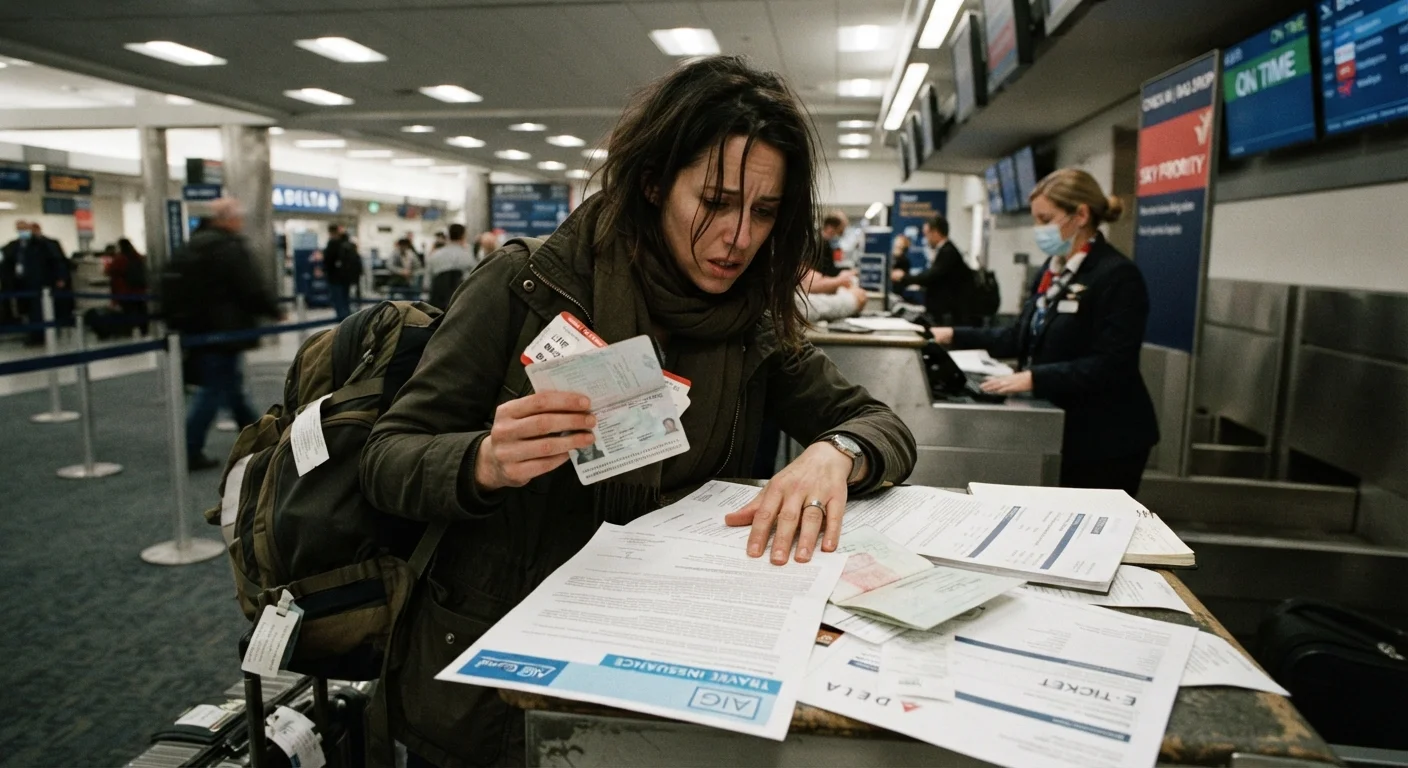
A denied claim often traces back to a step missed before or during the trip, not at the filing stage.
Filing a travel insurance claim incorrectly or missing a deadline can result in a denial. These are the most common missteps travelers make and how to avoid them.
Why claims get denied more often than travelers expect
Travel insurance exists to cover the unexpected, but the policy terms decide what qualifies. A claim denial rarely comes from bad luck alone. It usually traces back to something the traveler did or did not do, sometimes weeks before the trip began. Understanding where these gaps occur helps you avoid them.
This article covers the most common filing and coverage mistakes, what causes them, and what to do instead. For general coverage gaps worth checking before you leave, see the pre-trip insurance checklist.
Buying coverage after a named storm or known event is already in the news.
Why it happens: Travelers often purchase insurance reactively, once something looks like it might go wrong. By that point, the event is considered a known or foreseeable condition.
Waiting until after the trip to report an emergency or file a claim.
Why it happens: Travelers dealing with a medical crisis or disruption focus on getting through it and assume they can sort out the paperwork later.
Failing to get official documentation at the time of the incident.
Why it happens: In a stressful moment, collecting written proof from airlines, hospitals, or police does not feel like the priority.
Assuming "cancel for any reason" is included in a standard policy.
Why it happens: The phrase sounds like broad protection and travelers sometimes skim past the specific terms when purchasing.
Not disclosing a pre-existing condition at the time of purchase.
Why it happens: Some travelers do not realize their condition qualifies under the policy's look-back definition, or they believe a stable condition does not count.
Relying on a domestic health plan to cover medical costs abroad without verifying international coverage.
Why it happens: Many Americans assume their existing health insurance travels with them. Most domestic plans have limited or no coverage outside the United States.
Documentation and timing pitfalls that sink valid claims
Even a legitimate claim can be denied if the paperwork is incomplete or submitted late. Insurers require contemporaneous evidence, meaning records created at the time of the event, not reconstructed afterward. A doctor's note written two weeks after a cancellation, or a loss reported only on return, will often fail review.
Submitting incomplete records ends most claims early
Insurers review documentation, not intentions. A claim without supporting records such as airline delay notices, itemized medical bills, or written cancellation confirmations will typically be denied regardless of what actually happened. Gather and store evidence as events unfold, not after you return home.
Travelers who have credit card travel benefits sometimes assume those benefits function the same way as a standalone policy. The scope, claim process, and documentation requirements differ significantly. See how common travel insurance misconceptions affect real coverage outcomes.
24-72 hrs
Typical insurer notification window after an incident
Most travel insurance policies require the policyholder to contact the insurer within this window; missing it can result in a reduced or denied claim.
60-180 days
Common look-back period for pre-existing conditions
Policies commonly review medical history within this window before the purchase date to determine whether a condition qualifies as pre-existing.
Pre-existing medical conditions add another layer of complexity. Many policies include a look-back period, typically 60 to 180 days before purchase, during which any condition that was treated, diagnosed, or showed symptoms may be excluded. Some policies offer a waiver if you purchase coverage within a set window after your first trip deposit. For a full explanation of how these rules work, the pre-existing conditions and travel insurance overview covers the details.
This article provides general information about travel insurance claims and is not personalized insurance, legal, or financial advice. Policy terms, exclusions, and claim procedures vary by provider. Read your policy documents carefully and consult a licensed insurance professional for guidance specific to your situation. Verify entry requirements, coverage rules, and travel conditions with official government and provider sources before traveling.
The content provided on our blog site traverses numerous categories, offering readers valuable and practical information. Readers can use the editorial team’s research and data to gain more insights into their topics of interest. However, they are requested not to treat the articles as conclusive. The website team cannot be held responsible for differences in data or inaccuracies found across other platforms. Please also note that the site might also miss out on various schemes and offers available that the readers may find more beneficial than the ones we cover.