
How Fault Is Determined After a Car Accident and Why It Matters for Your Claim

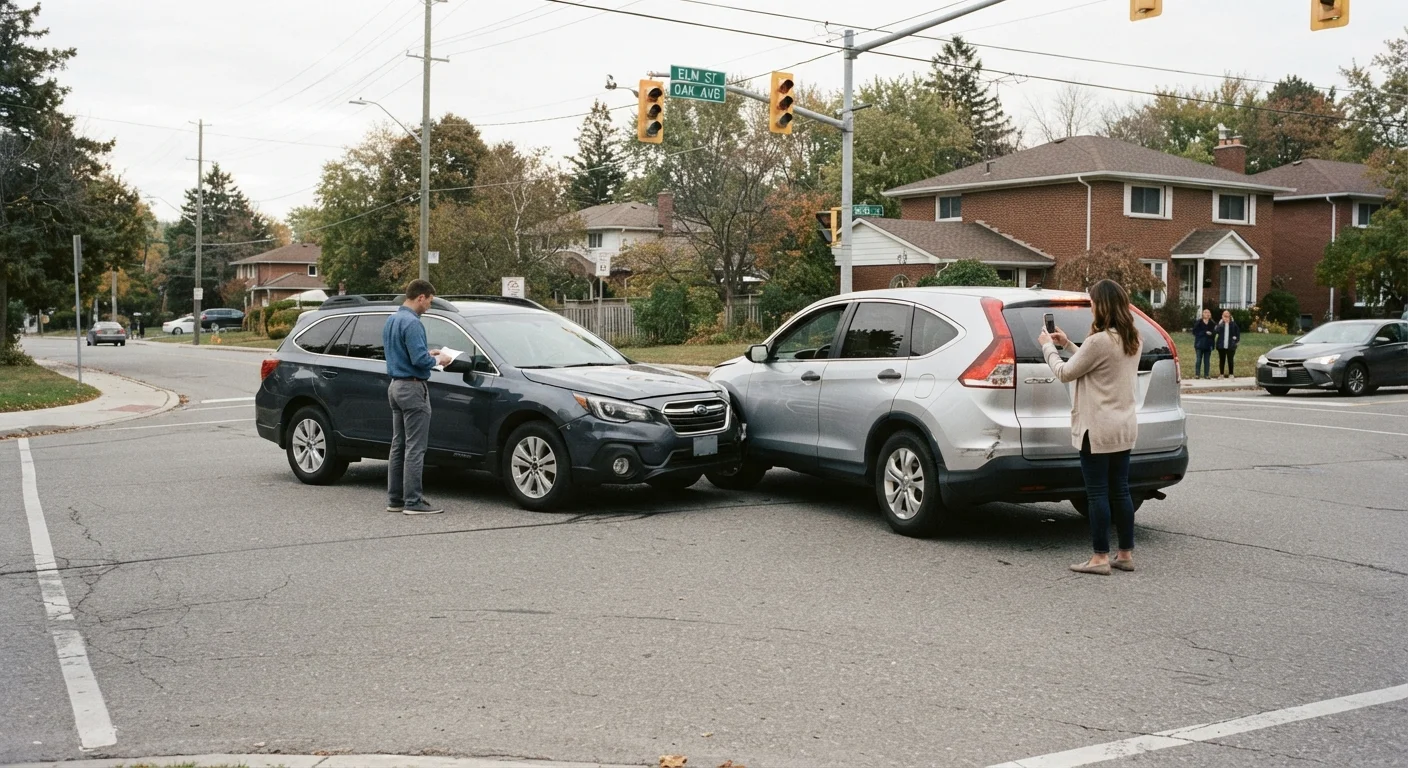
Fault determination starts at the scene and shapes every step of the claims process that follows.
Fault determination shapes who pays and how much after a crash. Understand the process, the role of comparative negligence, and how it affects your claim.
What fault actually means in an auto insurance claim
Fault, in an insurance context, means legal liability: which driver's actions caused or contributed to the crash. It is not simply a matter of who hit whom. A driver who was rear-ended may still share partial fault if their brake lights were broken. A driver who ran a red light carries primary fault even if the other vehicle was speeding.
Fault matters because auto insurance in most states is built on a liability system. The at-fault driver's bodily injury and property damage liability coverage pays for the other party's losses. If fault is shared, payouts adjust proportionally under your state's negligence rules.
No-fault states work differently. In those states, each driver's own personal injury protection (PIP) coverage pays their medical bills regardless of who caused the crash, up to policy limits. Property damage may still follow a fault-based process even in no-fault states, so the distinction is important to understand for your situation.
Smartphone or camera
Document vehicle damage, road conditions, skid marks, and traffic signals at the scene.
Auto insurance card
Provides your policy number and insurer contact information for immediate reporting.
Written accident notes
A written account of events captured shortly after the crash helps preserve details for your adjuster.
Police report copy
Official documentation of officer observations, citations issued, and diagram of the scene.
Who determines fault and how
Three parties typically weigh in: insurers, law enforcement, and sometimes courts.
Insurance adjusters make the first determination for most claims. They work from the evidence available: police reports, driver and witness statements, photos, and vehicle damage analysis. Adjusters interpret that evidence against the traffic laws of the state where the accident occurred.
Police reports carry weight because they are created by an independent party at or near the scene. A citation issued at the scene, say for running a stop sign, is strong evidence of fault, though it is not automatically the final word. Adjusters look at the full picture.
Courts decide fault only when a claim goes to litigation, which happens in a minority of cases. If you are filing a personal injury lawsuit or a large property damage claim, a judge or jury may ultimately make a binding determination.
Fault findings affect more than just the current claim. An at-fault accident typically raises your insurance premium at renewal. If your insurer pays out on your behalf and later determines the other driver was actually at fault, they may pursue subrogation, a process where they recover the amount paid from the other driver's insurer. That process can work in your favor by eventually returning your deductible.
If your vehicle is totaled in a crash, fault also affects how the settlement is calculated. For more on that calculation, see how insurers determine actual cash value after a total loss. And if you owe more on the car than its settled value, gap insurance may cover the remaining balance.
This article is for general informational purposes only and is not personalized insurance, legal, or financial advice. Coverage terms, state laws, and fault rules vary. Consult a licensed insurance agent or attorney for guidance specific to your situation.
No-fault states change the rules significantly
In no-fault states, your own insurer pays your medical expenses after a crash regardless of who caused it, up to your PIP coverage limits. You may have limited ability to sue the other driver unless injuries exceed a defined threshold. Property damage claims may still follow standard fault rules. Check your state's specific rules before assuming how your claim will be handled.
The content provided on our blog site traverses numerous categories, offering readers valuable and practical information. Readers can use the editorial team’s research and data to gain more insights into their topics of interest. However, they are requested not to treat the articles as conclusive. The website team cannot be held responsible for differences in data or inaccuracies found across other platforms. Please also note that the site might also miss out on various schemes and offers available that the readers may find more beneficial than the ones we cover.