
How Insurers Determine Your Car's Actual Cash Value After a Total Loss

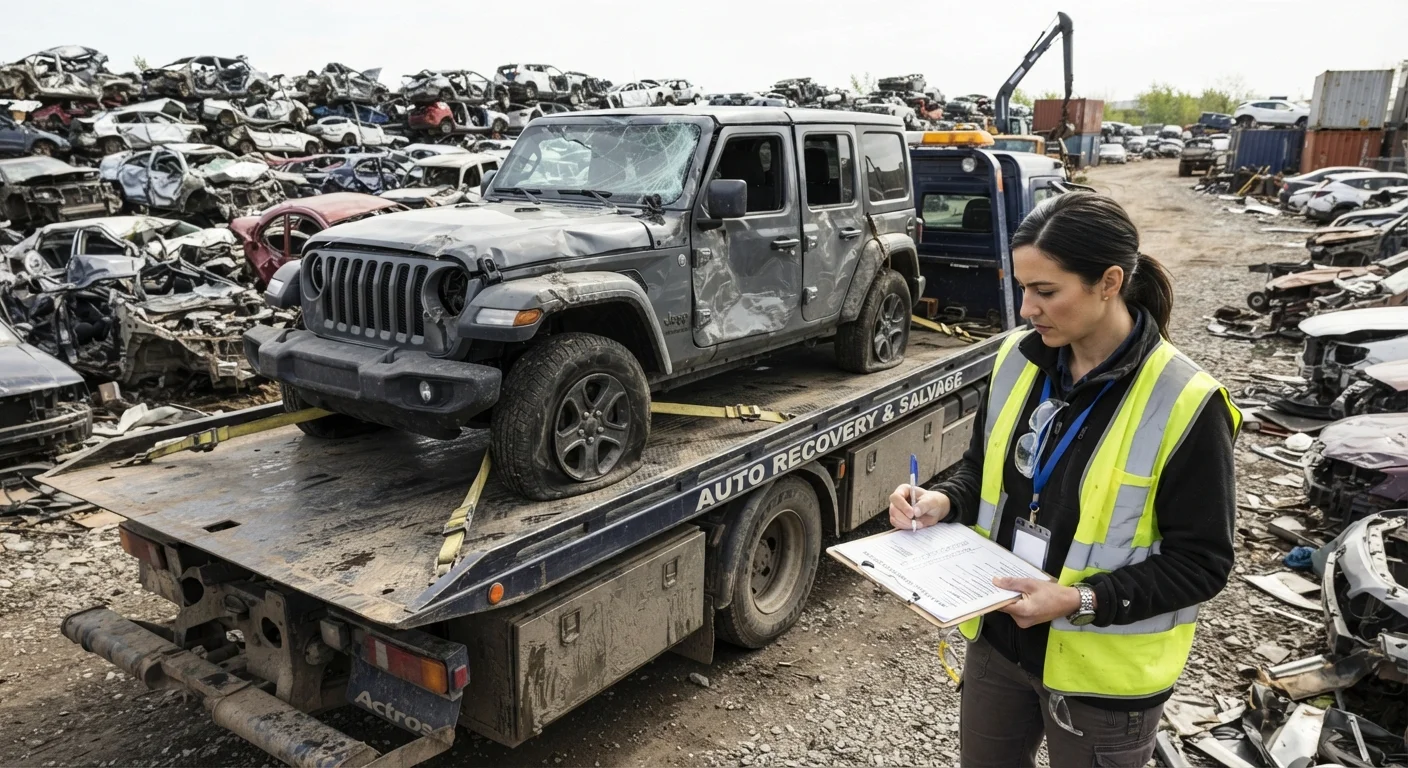
After a total loss, an adjuster calculates what your car was worth the moment before the crash.
"Actual cash value" sounds straightforward, but the calculation can surprise drivers. This article explains the method and what affects the final figure.
What 'total loss' actually means
An insurer declares a vehicle a total loss when the cost to repair it exceeds a threshold relative to its value. That threshold varies by state, but many states use a percentage rule: if repair costs reach 70 to 80 percent of the car's pre-damage value, the insurer writes it off rather than paying for repairs. Once that happens, the insurer pays you the actual cash value of the vehicle minus your deductible.
The ACV figure matters a great deal because it determines how much money you walk away with. If the number is lower than expected, it may not cover what you still owe on a loan, and it almost certainly will not cover the cost of a newer replacement. Understanding how the number is built gives you a better chance of evaluating whether the offer is fair.
Collision coverage and comprehensive coverage are the two policy types that typically trigger a total-loss ACV settlement, depending on how the damage occurred.
How insurers build the ACV figure
The calculation starts with what it would cost to buy a comparable vehicle today, then works backward by applying depreciation. Adjusters consider four main factors:
- Year, make, model, and trim level
- Mileage at the time of loss
- Condition of the vehicle (interior, exterior, mechanical)
- Local market prices for comparable vehicles
Most insurers use third-party valuation platforms that pull recent sale prices and active listings in your area. The word 'local' matters: a pickup truck may command a higher price in a rural market than in a dense urban one, and that difference can show up in your settlement.
Condition ratings are where many drivers lose ground. If an adjuster assigns an 'average' condition rating when your car was well above average, the ACV drops. Service records, recent tire replacements, and photos documenting pre-loss condition can support a higher rating.
Document your car's condition before any loss
Take dated photos of your vehicle's interior and exterior at least once a year. Keep digital copies of service records and receipts for major repairs. If you ever need to dispute an ACV rating, this documentation is your strongest evidence. Store it somewhere accessible, not just on the vehicle itself.
What you can do if the number seems low
An ACV offer is not necessarily final. You have the right to present your own evidence. Useful documentation includes:
- Dealer listings and private-sale ads for the same year, make, model, and trim in your region
- Maintenance and repair records that show the vehicle was in better-than-average condition
- Any recent improvements such as new tires or a replaced battery
Put your counter-argument in writing and direct it to the adjuster. If you and the insurer still disagree, most policies include an appraisal clause that lets both sides hire independent appraisers. A neutral umpire then resolves any gap between the two estimates.
One scenario worth flagging: if your ACV payout is less than your remaining loan balance, you are responsible for the difference. That gap can reach several thousand dollars on a newer vehicle with a long loan term. Gap insurance is designed specifically to cover that shortfall.
This article provides general information about auto insurance concepts and is not personalized insurance, financial, or legal advice. Coverage terms, settlement processes, and state regulations vary. Read your policy documents carefully and consult a licensed insurance professional for guidance specific to your situation.
Frequently Asked Questions
The content provided on our blog site traverses numerous categories, offering readers valuable and practical information. Readers can use the editorial team’s research and data to gain more insights into their topics of interest. However, they are requested not to treat the articles as conclusive. The website team cannot be held responsible for differences in data or inaccuracies found across other platforms. Please also note that the site might also miss out on various schemes and offers available that the readers may find more beneficial than the ones we cover.