
Comprehensive Coverage: The Part of Your Policy That Has Nothing to Do With Crashes

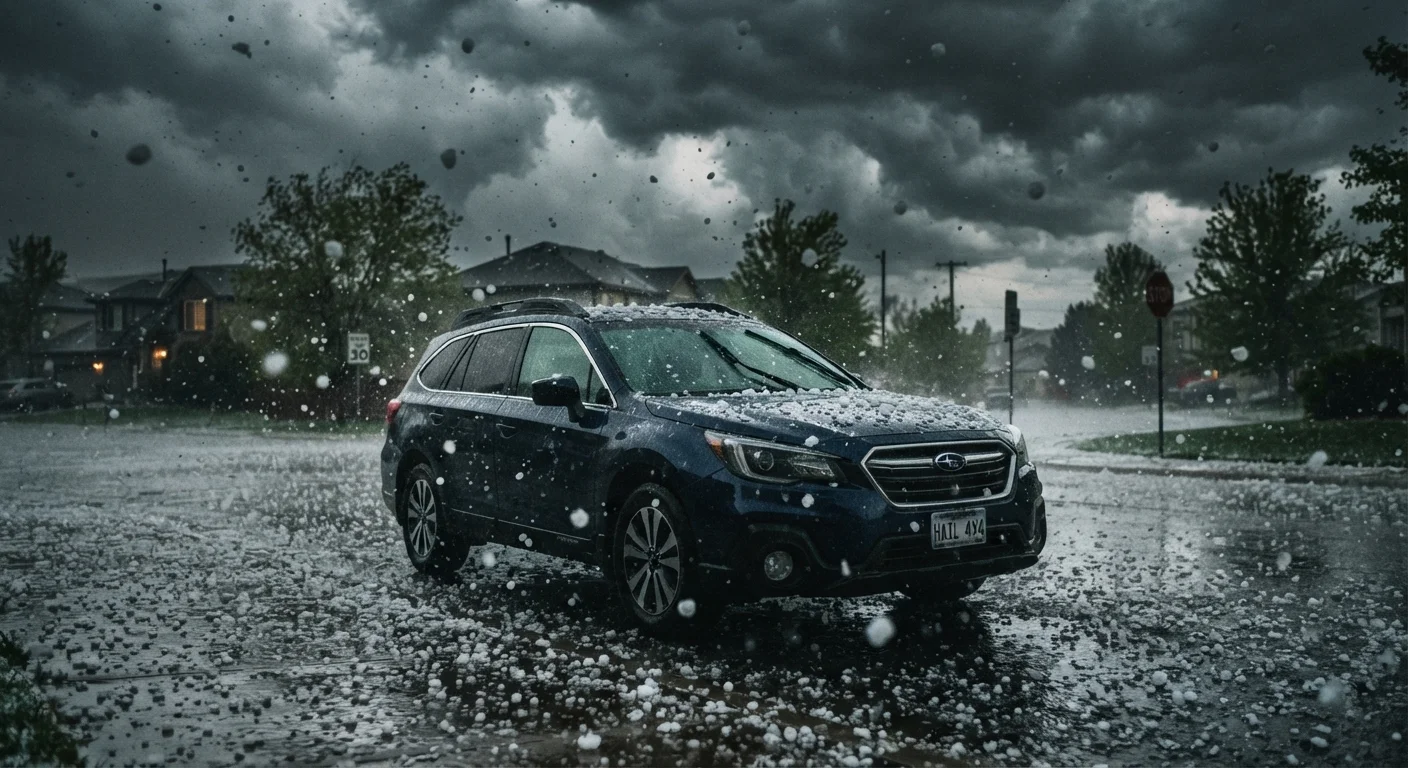
Comprehensive coverage pays for damage from events like hail, theft, and falling objects.
Comprehensive auto coverage protects against theft, weather, and more. Here's what it covers, what it costs, and when it's worth carrying.
What comprehensive coverage actually covers
The name is a bit misleading. 'Comprehensive' does not mean the coverage handles everything. It handles a specific category of losses: damage to your vehicle that happens outside of a crash with another vehicle or object.
The main events covered under a standard comprehensive policy include:
- Theft of the vehicle itself
- Vandalism and intentional damage
- Fire, whether from an external source or an electrical fault
- Weather events: hail, flooding, wind, ice, and lightning
- Falling objects, such as tree limbs or debris
- Animal strikes, including collisions with deer
- Civil disturbances and riots
What it does not cover is equally worth knowing. Comprehensive will not pay for damage from hitting another car or a guardrail; that is what collision coverage handles. It also will not pay for personal items stolen from inside your car. A laptop or bag taken in a break-in would fall under your homeowners or renters insurance, not your auto policy.
There are also situations where your auto policy stops applying altogether. For more on those gaps, see when your personal auto policy stops covering you.
How the payout works
When you file a comprehensive claim, the insurer calculates your vehicle's actual cash value at the time of the loss. That figure reflects depreciation, so a five-year-old car will not be valued the same as a new one. If the repair cost exceeds the ACV, the insurer may declare the vehicle a total loss and pay you the ACV instead of covering repairs.
Your deductible comes out of that amount. If your car is worth $12,000 and you have a $500 deductible, the maximum you would receive is $11,500. For a deeper look at how that value is calculated, how insurers determine actual cash value after a total loss walks through the method.
If you owe more on your loan than your car is worth, a comprehensive payout might not fully cover your remaining balance. Gap insurance is designed for exactly that situation.
Matching your deductible to your vehicle's value
If your car's ACV is under $3,000, a $1,000 deductible leaves little room for a meaningful payout after a claim. Consider whether a lower deductible makes more sense for older, lower-value vehicles, or whether dropping comprehensive altogether is worth comparing.
When it makes sense to carry it
For financed or leased vehicles, the question is usually settled for you. Lenders require comprehensive (along with collision) to protect their financial interest in the car.
For vehicles you own outright, the math matters. A rough guideline: if your annual premium for comprehensive is more than 10 percent of your car's ACV, the coverage may cost more than it would realistically pay out. That said, your risk tolerance, local weather patterns, and how much you depend on the vehicle all factor in.
~$168/yr
Average comprehensive premium (U.S.)
According to the National Association of Insurance Commissioners' most recent auto insurance report, the average expenditure for comprehensive coverage was approximately $168 annually.
1 in 88
Odds of a vehicle theft claim
The Insurance Information Institute reports that roughly 1 in 88 insured vehicles had a theft-related claim in a recent study year.
Drivers in areas with high vehicle theft rates, frequent hail, or regular flooding have more reason to carry comprehensive than those in lower-risk regions. The type of insurance program you use can also affect what you pay for coverage overall.
Before your next renewal, it is worth reviewing your full policy to make sure your coverage still fits your situation. The auto policy review checklist covers what to look at and what to update.
This article is for general informational purposes only and is not personalized insurance, financial, or legal advice. Coverage terms, exclusions, and costs vary by provider, state, and individual policy. Read your policy documents carefully and consult a licensed insurance agent for guidance specific to your situation.
Frequently Asked Questions
The content provided on our blog site traverses numerous categories, offering readers valuable and practical information. Readers can use the editorial team’s research and data to gain more insights into their topics of interest. However, they are requested not to treat the articles as conclusive. The website team cannot be held responsible for differences in data or inaccuracies found across other platforms. Please also note that the site might also miss out on various schemes and offers available that the readers may find more beneficial than the ones we cover.