
Trip Delay Coverage: The Quiet Benefit That Pays for Missed Connections

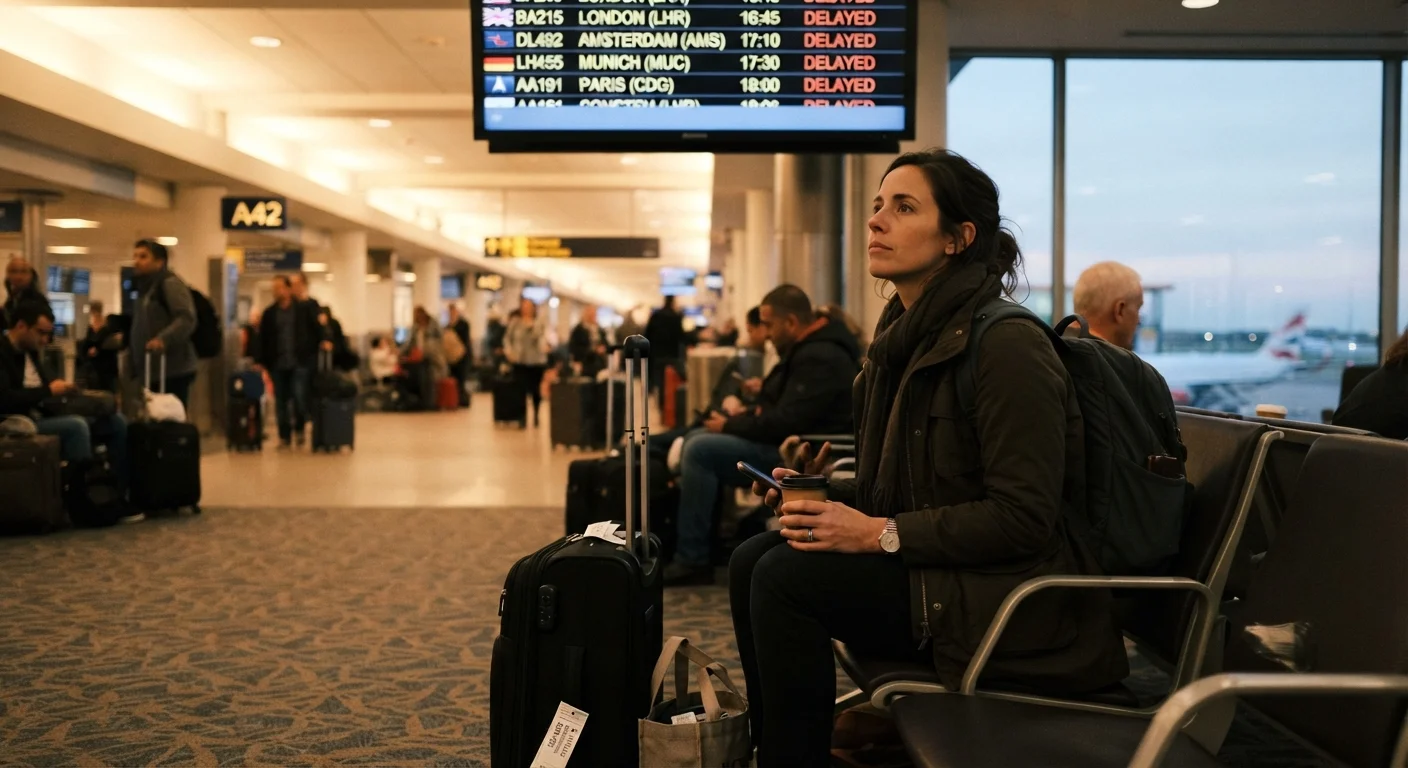
Trip delay coverage can reimburse out-of-pocket costs when flights are delayed for a qualifying reason.
Trip delay benefits can reimburse meals, hotels, and rebooking costs. Here's how this often-overlooked coverage actually works.
How trip delay coverage works
When a flight sits on the tarmac or a connection falls apart, travelers absorb costs that were never part of the budget: an airport dinner, a last-minute hotel room, a taxi to a transit property. Trip delay coverage is designed to reimburse those specific costs, provided the delay meets the policy's conditions.
The process works like this: a covered event causes your departure or connection to be delayed past a set minimum time. You incur reasonable, documented expenses as a direct result. After returning home, you file a claim with receipts, proof of the delay, and the reason for it. The insurer reviews whether the cause and costs fall within the policy's definitions and pays up to the stated limit.
Policies differ on what counts as a covered cause. Weather events, mechanical failures, and strikes by carrier employees appear in most plans. Some policies also cover natural disasters or FAA-ordered groundings. A delay caused by your own late arrival at the gate is not covered. Common misconceptions about travel coverage often involve assuming any delay qualifies, which is not the case.
What expenses are typically reimbursed
Covered expenses generally fall into a few predictable categories. Meals consumed at the airport or nearby are almost always included, subject to a per-meal or per-day cap. Overnight lodging is covered when the delay extends into evening hours and forces an unplanned stay. Local ground transportation between the airport and a hotel may be reimbursable as well.
Some policies go further and reimburse prepaid expenses that become unusable because of the delay, such as a hotel night at your destination that you miss entirely. A smaller number of plans cover reasonable rebooking fees when the carrier does not cover them directly.
What policies rarely cover: upgrades, premium meals beyond a reasonable cost, or personal items you purchase out of convenience rather than necessity. Keeping receipts for every expenditure from the moment the delay is announced protects your claim from partial denial.
Get the delay reason in writing at the gate
Ask a gate agent to print or email a delay notice that includes the stated cause before you leave the airport. Many insurers require proof that the delay resulted from a covered event, not just proof that a delay occurred. A timestamped carrier notification is the most accepted form of that documentation.
Credit card benefits versus standalone policies
Many travel credit cards include trip delay reimbursement as part of their benefit package, usually tied to the requirement that you purchased the ticket with that card. These built-in benefits can be useful, but they carry important differences compared to a purchased travel insurance policy.
Credit card delay benefits commonly require a longer delay (often 6 to 12 hours) before they activate. Per-day reimbursement limits tend to be lower, and the documentation requirements can be just as strict. The benefit is also tied to that specific card's terms, which the issuer can change.
A standalone travel insurance policy may offer a shorter activation window and higher limits, particularly on longer or more expensive trips. Protection plans offered at checkout are another option, though they vary widely in what they cover and how claims are processed. Comparing the actual benefit language across all coverage sources you already hold is worth doing before purchasing anything new. The pre-trip insurance checklist can help you map existing coverage against gaps.
Filing a claim without common mistakes
Trip delay claims are denied most often because of missing documentation, not because the event itself was ineligible. Carriers issue delay confirmation notices and sometimes written explanations of cause. Requesting that documentation at the airport, before you leave the terminal, is the single most useful step.
Save every receipt, including itemized food receipts rather than credit card summary statements. Note the timestamps on your original itinerary and any revised departure times. If your policy requires you to notify the insurer before incurring costs, do that before checking into a hotel, not after.
Mistakes that void travel insurance claims frequently involve procedural errors rather than coverage disputes. Reading the claims section of your policy before travel, not during a stressful delay, leaves you prepared to follow the correct steps. This article is for general informational purposes only and is not personalized insurance or financial advice. Policy terms, coverage limits, and eligibility requirements vary by provider. Always read your actual policy documents and consult a licensed insurance professional for guidance specific to your situation.
This article is for general informational purposes only and is not personalized insurance or financial advice. Coverage terms, exclusions, and reimbursement limits vary by policy and provider. Verify details directly with your insurer or a licensed insurance professional before relying on any specific benefit.
Frequently Asked Questions
The content provided on our blog site traverses numerous categories, offering readers valuable and practical information. Readers can use the editorial team’s research and data to gain more insights into their topics of interest. However, they are requested not to treat the articles as conclusive. The website team cannot be held responsible for differences in data or inaccuracies found across other platforms. Please also note that the site might also miss out on various schemes and offers available that the readers may find more beneficial than the ones we cover.